

Ask the Groom: How Should I Care for My Tack Before Winter?
Posted by John Nunn on Nov 4th 2026
With the colder months approaching and show season slowing down, what's the best way to clean and put away my tack before winter? Should I just do my regular cleaning routine and put away?
— The Colder Months
Welcome autumn the season of wrapping up final horse shows, cooling down from brisk trail rides, and preparing the barn for freezing temperatures. Did I tell you I hate the cold? Before you tuck your gear away for the winter, set aside time for a thorough post-season tack overhaul. Taking the time to properly inspect and condition your leather now prevents months of cold-weather deterioration and ensures your
equipment is supple and safe for when spring arrives. During a busy competition or training season, it is easy to overlook sweat buildup, dried-out stitching, and minor hardware stress. Though we all know we should be inspecting our equipment after every ride. If left unaddressed in a cold, damp tack room over the winter, sweat salts and moisture will rot stitching, and dry out natural leather fibers. Investing an
afternoon in post-season care protects your gear, safeguards your horse’s comfort, and ensures maximum longevity for your investment.
Step 1: Conduct a Post-Season Safety and Wear Inspection A full season of use exposes leather to sweat, dirt, rain, and stress. Before packing anything away, inspect every piece in good lighting especially high friction areas and the points of the leather that are exposed to sweat more often.
- Bridles and reins: Unbuckle bit ends, curb straps, and
cheekpieces. Look for cracking where leather bends tightly
around rings and bit bars. - Girth billets: Check the buckle holes for stretching, tearing,
or thinning around the core stitching. Now’s a good time
to get them replaced if needed. - Stirrup leathers: Inspect the folds around the irons and
the top holes where your buckles rest under the saddle
skirt. - Girths and breastplates: Check elastic inserts for dry rot or
loss of tension, and inspect leather linings for grit or stiff
salt deposits.
Halters: Don’t forget your horse’s halter.
What to retire or repair:
- Deep structural cracks: Any leather that shows cracking
when gently bent should not be used again next spring.
These are a red flag that you should take notice of and be
sure to get replaced before starting back in spring. - Compromised stitching: Rotten or frayed thread along
billets, stirrup leathers, or saddle trees requires
professional attention before next season. - Hard, crusty padding: Dried-out nosebands and girth
linings will chafe when reused. If deep conditioning cannot
restore their suppleness, plan for replacement over the
off-season.
Safety Note: At Nunn finer we have been manufacturing leather goods for over 30 years and our best advice is replacing rather than repairing worn reins, stirrup leathers, and billet straps. Taking care of replacements now avoids last minute panic during spring warmups.
Step 2: Strip Away Grime with Moss Leather Cleaner Never put tack into winter storage with a season's worth of dried sweat and stable dust baked into the pores. Stored sweat draws moisture from the surrounding air, creating an ideal breeding ground for mold and accelerating dry rot. Disassemble bridles, martingales, and halter parts completely. For a thorough deep clean without harsh chemical stripping,
use Moss Melt Away Cleaner and Conditioner, distributed by Nunn Finer. Formulated specifically for equestrian equipment, it lifts grime and salt deposits without stripping the leather’s natural oils or leaving a sticky film that attracts stable dust.
- Apply: Spray or sponge Moss Melt Away directly onto the
leather surfaces.
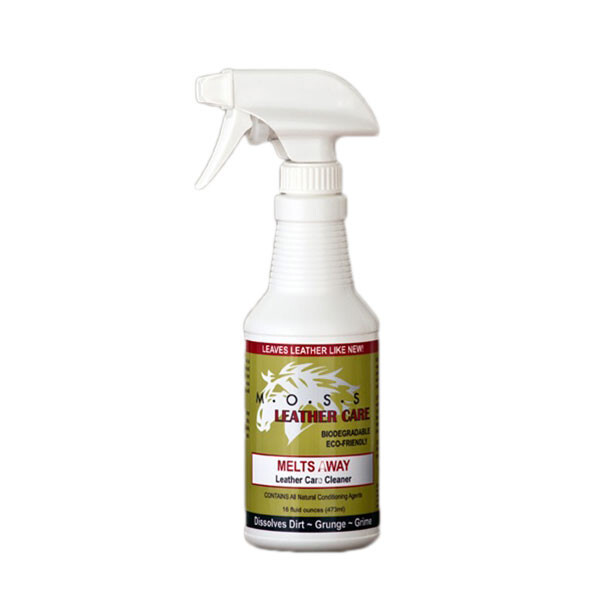
Moss Melt Away Leather Cleaner
- Detail: Work a damp sponge or soft-bristled brush into
buckle folds, keeper slots, and stitching grooves where
sweat crusts over. - Clean the saddle underside: Flip your saddle to access
sweat panels, billet guards, and the gullet channel. - Wipe clean: Wipe away the lifted foam and residue with a
damp microfiber cloth, then let the leather dry.
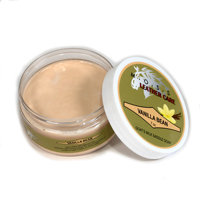
Step 3: Deeply Nourish with Moss Leather Conditioner in your favorite scent (mine is Vanilla Bean). Winter air and unheated tack rooms are notoriously dry and unforgiving on leather. To keep the fibers pliable and prevent moisture loss over months of non-use, follow cleaning with a liberal application. Enriched with natural waxes, essential oils, and premium conditioning agents, leather balm deeply penetrates the grain
and flesh sides to seal in moisture and build a protective shield against humidity and temperature swings.
- Work it in: Massage the Moss Leather Conditioner into the leather using a
clean cloth or sponge, paying extra attention to dry edges
and high traffic zones.
- Rest and buff: Allow the balm to absorb for several hours
or overnight, then buff off any excess with a dry, lint-free
cloth to leave a satin, weather-resistant finish.
Step 4: Pack Away for Winter Storage
Once your leather is clean and conditioned,